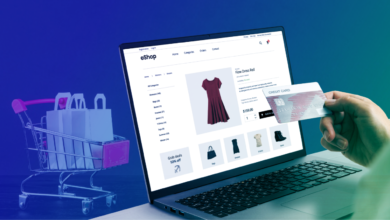
E‑commerce has evolved from being an experimental concept on the internet to one of the most significant drivers of global trade. What once began with simple online catalogs and virtual shopping carts has now transformed into an intricate ecosystem of mobile applications, AI‑driven personalization, cross‑border logistics, and even immersive augmented reality experiences. For businesses and consumers alike, e‑commerce is no longer just an alternative form of shopping—it is the mainstream engine that defines how products and services are discovered, purchased, and experienced.
In this article, we will explore the multifaceted face of e‑commerce, its challenges, its latest innovations, and the future avenues that promise to reshape the very nature of global commerce.
The Evolution of E‑Commerce
The late 1990s introduced consumers to the novel possibility of shopping online. At the time, skepticism was rampant—concerns over payment security, delivery logistics, and reliability clouded widespread adoption. Yet within two decades, e‑commerce has not only addressed these concerns but has exceeded expectations, becoming the default way of shopping for millions.
-
Phase One: The Digital Catalog Age – Early e‑commerce sites functioned much like digital brochures where consumers browsed static lists of products with limited interaction.
-
Phase Two: The Age of Trust – With secure payment gateways, reliable shipping models, and return policies, skepticism started to fade.
-
Phase Three: The Experience Era – Modern platforms curate hyper‑personalized shopping journeys driven by algorithms, data analytics, and advanced UX design.
This shift from skepticism to trust, and then to delight, underlines the true story of e‑commerce: an evolution that thrives on technological advancements paired with human behavioral changes.
Why E‑Commerce Is More Than Just Online Shopping
E‑commerce is often perceived as simply “buying something online,” but it is more profound than that. At its core, it redefines accessibility, giving people in remote areas access to the same products traditionally available only in metropolitan markets. It democratizes entrepreneurship as well, allowing small brands to compete on a level playing field with retail giants.
Some of the most profound impacts include:
-
Global Market Reach – Small and mid‑sized businesses can expand beyond geographical barriers.
-
Cost Efficiency – Digital storefronts significantly reduce operational overhead compared to physical retail.
-
Consumer Empowerment – The ability to compare, review, and make informed purchase decisions has placed control firmly in the hands of shoppers.
-
Personalization at Scale – Recommendation systems transform browsing into individualized experiences.
Key Drivers Shaping Today’s E‑Commerce
Several powerful trends are reshaping this landscape, making e‑commerce even more dynamic and indispensable.
1. Mobile Commerce
Smartphones are now the central tool for shopping. With intuitive apps, one‑click payments, and real‑time tracking, mobile commerce is fast becoming the most dominant channel within e‑commerce.
2. AI and Predictive Insights
Artificial intelligence not only recommends products but also anticipates what a consumer might want before they realize it. From predicting fashion trends to forecasting demand spikes, AI enhances both consumer experience and business efficiency.
3. Social Commerce
Shopping is no longer confined to dedicated websites. Social platforms now blur the line between entertainment and commerce, where a single swipe can lead from a video to an instant purchase.
4. Sustainable Shopping
Online shoppers are increasingly conscious of sustainability. Brands that emphasize eco‑friendly packaging, transparent supply chains, and sustainable practices see stronger consumer loyalty.
5. Immersive Technology
Virtual reality (VR) and augmented reality (AR) bridge the last gap of uncertainty in online purchases by enabling “try‑before‑you‑buy” experiences, whether it is trying on clothing virtually or visualizing how furniture fits in a living room.
Opportunities and Challenges for Businesses
While e‑commerce brings enormous opportunities, it also demands adaptability.
Opportunities
-
Expansion into untapped markets worldwide.
-
Leveraging big data for precision marketing.
-
Subscription models and digital services alongside products.
-
Low entry barriers for startups to establish a global presence.
Challenges
-
Data security and consumer trust remain constant concerns.
-
Intense competition pushes profit margins downward.
-
Ever‑evolving logistics and last‑mile delivery costs.
-
Adapting business models to changing consumer expectations.
Balancing these opportunities and challenges requires businesses to embrace innovation while committing to reliability, security, and authenticity.
The Human Side of E‑Commerce
It is easy to focus only on technology, but e‑commerce is also deeply human. It thrives on storytelling, trust, and the connection between brand and consumer. Shoppers no longer search only for products—they search for experiences and identities they can associate with. A clothing store is not just selling fabric but lifestyle; a wellness brand is not simply offering supplements but the promise of health and vitality.
Cultivating these connections separates thriving e‑commerce companies from those that fade into obscurity. Strategies such as responsive customer support, community‑driven engagement, and brand storytelling are all essential pieces of the puzzle.
The Road Ahead: What the Future Holds
Looking ahead, e‑commerce will not just grow in sales figures—it will transform qualitatively. Several predictions point toward its future state:
-
Hyper‑Personalized Journeys – Every touchpoint will be tailored, making e‑commerce deeply individualized.
-
Voice‑Assisted Shopping – With smart speakers and voice AI, shoppers will increasingly order through conversational commands.
-
Global Micro‑Warehousing – Faster delivery through decentralized warehouses will close the gap between online and offline retail speed.
-
Seamless Integration – The future will blur distinctions between physical retail and digital platforms, creating hybrid shopping ecosystems.
Conclusion
E‑commerce is not merely a trend—it is a revolution that continues to unfold. More than a marketplace, it is a transformative force dismantling barriers, shaping industries, and aligning with the lifestyle of a connected world. For businesses, it demands foresight, innovation, and a genuine understanding of consumer psychology. For consumers, it offers empowerment, choice, and convenience unmatched in previous centuries of commerce.
The future of e‑commerce lies not only in technology but in the way it continues to humanize shopping, bridging the digital with the emotional, the global with the personal. In short, e‑commerce is the most profound expression of how trade, trust, and technology can converge in a world that is more connected than ever before.