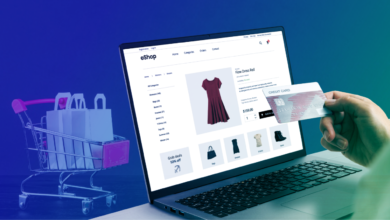
The world of commerce has undergone a profound transformation over the past two decades. What began as a novel experiment of purchasing goods online has now matured into an industry that touches nearly every aspect of daily life. Ecommerce today is not merely a convenient alternative to traditional shopping; it has become the driving force behind global retail growth, small business empowerment, and consumer convenience. As digital technologies evolve and customer expectations rise, ecommerce continues to reshape the way businesses operate and individuals interact with brands.
The Shifting Landscape of Consumer Behavior
Online shopping was once viewed as an occasional indulgence, reserved mostly for books, electronics, or specialty items. Today, however, it has become second nature for buying everything from groceries to healthcare products. Consumers have grown accustomed to seamless digital experiences, instant access to product information, and rapid delivery options. Convenience, variety, and competitive pricing have emerged as the ultimate motivators.
Moreover, modern consumers demand more than just speed and affordability. They expect personalized experiences, a sense of trust, and brands that align with their values. This has given rise to an era where shopper behavior is guided by a blend of emotion, personalization, and technology.
The Role of Technology in Ecommerce Growth
Ecommerce owes its rapid growth to technological innovation. Advancements in digital infrastructure, secure payments, and improved logistics have made global trade accessible at the tap of a button. But beyond these fundamentals, newer technologies are pushing ecommerce into exciting new territories:
-
Artificial Intelligence (AI): AI-driven recommendation engines curate personalized shopping journeys, helping consumers discover products they didn’t even know they wanted.
-
Augmented Reality (AR): AR tools allow buyers to visualize furniture in their living rooms or virtually try on clothing, bridging the gap between the physical and digital shopping experience.
-
Voice Commerce: With the rise of smart speakers, voice-assisted shopping is becoming a new frontier for convenience and accessibility.
-
Blockchain Integration: Secure, transparent transactions powered by blockchain are redefining trust in cross-border purchases.
These innovations not only enhance customer satisfaction but also equip businesses with powerful tools to refine sales strategies and streamline operations.
Ecommerce and Small Business Empowerment
One of the most remarkable outcomes of ecommerce is the empowerment of small and medium-sized businesses. In the pre-digital era, competing with established retail giants required enormous capital, physical storefronts, and extensive supply networks. Now, a creative entrepreneur can launch a brand from the comfort of their home, reaching a global audience with minimal upfront cost through online marketplaces, social media storefronts, or direct-to-consumer platforms.
Furthermore, ecommerce has democratized growth opportunities. Independent artisans, local sellers, and niche product creators have found communities of customers worldwide who actively seek unique items over mass-produced alternatives. This blending of accessibility and creativity has fueled an entrepreneurial economy that thrives in the digital ecosystem.
Challenges That Accompany the Opportunities
Despite its transformative potential, ecommerce faces challenges that businesses must navigate carefully:
-
Rising Competition: As barriers to entry lower, countless new sellers enter the marketplace, intensifying competition and making brand differentiation critical.
-
Cybersecurity Concerns: Data breaches and payment fraud loom as persistent threats, necessitating stronger safeguards and customer trust initiatives.
-
Logistics and Sustainability Pressures: Growing consumer demand for same-day or next-day delivery strains supply chains and raises questions about environmental impacts.
-
Customer Experience Fatigue: In an endless sea of advertisements, customers feel overwhelmed, leading to higher expectations around authenticity and brand storytelling.
Brands that acknowledge these challenges and adapt proactively are better positioned to secure long-term success.
The Future of Ecommerce: Trends to Watch
Ecommerce will continue to evolve dynamically, shaped by both technological innovation and changing social expectations. Some of the most notable trends include:
-
Hyper-Personalization: Leveraging data and AI to deliver shopping journeys that feel tailor-made for each consumer.
-
Sustainable Commerce: Eco-friendly packaging, carbon-neutral shipping, and ethical sourcing will appeal to the growing number of environmentally conscious buyers.
-
Social-Commerce Integration: Platforms like Instagram and TikTok are making it possible to shop directly within social media feeds, merging entertainment with consumerism.
-
Global Accessibility: As internet penetration expands in emerging markets, entirely new customer bases will join the digital shopping scene.
-
Omnichannel Retailing: Blending online and offline engagement — such as click-and-collect services or hybrid shopping events — will ensure consumers experience continuity across platforms.
The most successful businesses of tomorrow will be those that anticipate these shifts and adapt with agility, always keeping consumer needs at the center.
Building Authentic Relationships in a Digital World
At the heart of ecommerce lies more than just transaction efficiency. It is fundamentally about connection — between seller and buyer, problem and solution, brand and identity. In an environment saturated with options, authenticity and transparency become invaluable. Brands that foster genuine relationships, tell compelling stories, and demonstrate accountability will ultimately stand out in a crowded marketplace.
Furthermore, treating ecommerce not just as a sales platform but as a community-building tool can significantly elevate customer loyalty. Whether through interactive shopping experiences, personalized engagement, or responsive support, businesses that prioritize trust will establish enduring bonds with their customers.
Conclusion
Ecommerce is no longer a trend or supplementary channel; it is the very foundation of modern commerce. Its evolution reflects the way people live, work, and connect in a digital-first world. While challenges such as competition, cybersecurity, and sustainability must be addressed, the opportunities are vast and transformative.
From empowering small businesses to revolutionizing customer expectations, ecommerce represents more than just convenience — it embodies the future of human interaction, innovation, and economic inclusion. As we look ahead, one thing is certain: those who embrace change, adapt with creativity, and stay rooted in authenticity will continue to thrive in this ever-expanding digital marketplace.