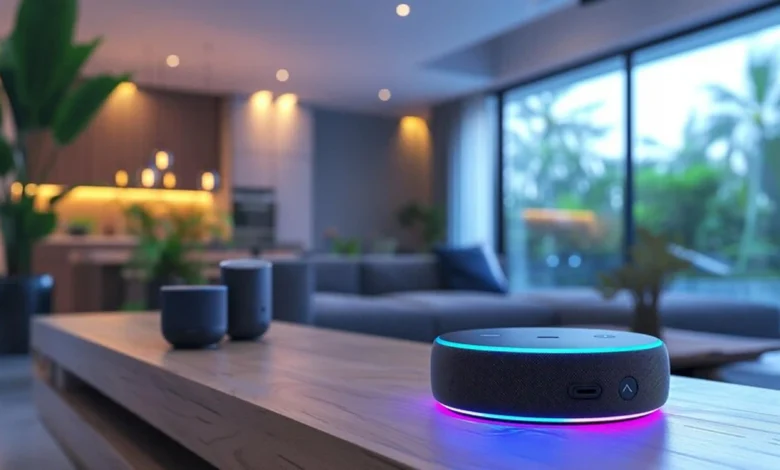
Understanding Today’s Gadget Landscape
Gadgets have evolved far beyond simple tools; they now form an ecosystem of interconnected devices that enhance productivity, entertainment, communication, and lifestyle. From wearables that track health metrics to smart assistants that automate daily routines, modern gadgets redefine convenience and efficiency.
What Makes a Gadget “Smart”?
Smart gadgets integrate advanced technology, connectivity, and automation to improve user experience. They stand out for several key attributes:
- Wireless connectivity through Wi-Fi, Bluetooth, or cellular networks
- Artificial intelligence for personalization and predictive functions
- App-based controls that centralize device management
- Compatibility with multiple platforms and ecosystems
- Energy-efficient designs that extend battery life and reduce consumption
These elements transform everyday objects into intelligent assistants capable of learning and adapting to user behavior.
Must-Have Gadgets in Today’s Digital Era
1. Smart Home Devices
Smart home gadgets create a connected living space where users can monitor and control their environment effortlessly.
Popular examples include:
- Smart speakers and voice assistants
- Intelligent lighting systems
- Automated thermostats
- Smart surveillance cameras
These tools offer improved security, energy savings, and hands-free convenience.
2. Wearable Technology
Wearables bring health and communication to your wrist, offering features like:
- Activity and heart-rate tracking
- Sleep analysis
- Mobile notifications
- Contactless payments
Products such as smartwatches and fitness trackers have transformed personal wellness monitoring.
3. Portable Entertainment Gadgets
Modern entertainment gadgets prioritize mobility without sacrificing performance.
Key devices include:
- Noise-cancelling wireless headphones
- Handheld gaming consoles
- Portable projectors
Users can now enjoy immersive experiences on the go.
4. Productivity-Focused Gadgets
Tools designed for work and learning are essential in today’s hybrid world.
These include:
- Smart pens and digital notebooks
- Ergonomic wireless keyboards
- Multi-port hubs and docking stations
Such gadgets streamline tasks and enhance digital workflows.
How Gadgets Influence Modern Lifestyles
Enhancing Communication
The integration of faster processors, advanced cameras, and 5G connectivity enables seamless video calls, instant messaging, and real-time collaboration.
Improving Health and Wellness
Wearables and smart fitness devices deliver insights that motivate users to maintain healthier habits. They help track progress and encourage long-term consistency.
Boosting Home Efficiency
With automation at the core, gadgets simplify daily routines—turning off lights, adjusting temperature, or even monitoring home security without manual intervention.
Supporting Education and Work
Smart tools increase efficiency, reduce workload, and help individuals stay organized. They aid students and professionals by providing reliable, portable digital solutions.
The Future of Gadget Innovation
Advancements in AI, augmented reality, robotics, and sustainable materials will drive the next generation of gadgets. Expect more intuitive devices, deeper ecosystem integration, and environmentally conscious designs. As technology matures, gadgets will continue blending seamlessly into everyday life—becoming smarter, smaller, and more adaptive.
FAQs
1. What is the main purpose of modern gadgets?
They simplify tasks, enhance communication, improve convenience, and support personal productivity.
2. Are smart gadgets secure to use?
Most reputable brands employ strong encryption and security protocols, but users should still follow best practices like updating firmware regularly.
3. Do smart home devices increase energy efficiency?
Yes, many are designed to reduce energy usage through automation and monitoring features.
4. How do wearables track health data?
They use sensors that detect movement, heart rate, temperature, and other biometrics to analyze health metrics.
5. What factors should I consider before buying a gadget?
Key considerations include compatibility, battery life, features, durability, and ecosystem integration.
6. Are gadgets becoming more eco-friendly?
Yes, manufacturers increasingly use recycled materials and energy-efficient components.
7. Will AI make gadgets more autonomous?
AI will enable devices to predict user needs, automate tasks, and offer personalized experiences with minimal manual input.


