What Is E-Commerce?
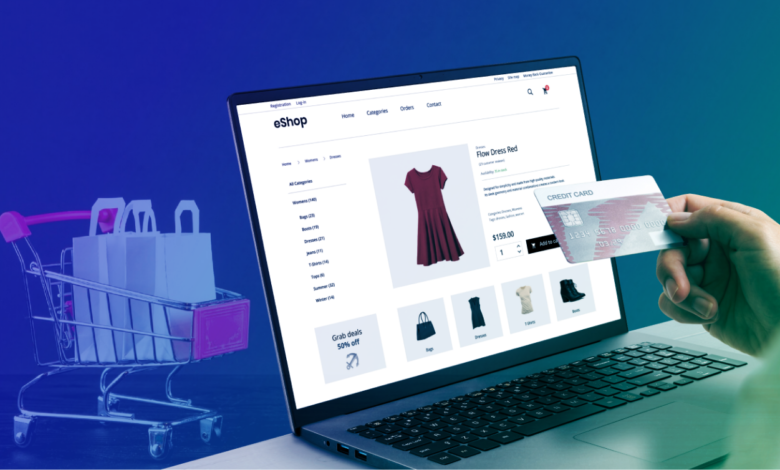
E-commerce refers to the buying and selling of goods or services over the internet. It has transformed traditional retail by offering convenience, global reach, and automated business processes. Today, it encompasses everything from online shopping to digital payments, marketplaces, and subscription-based platforms.
How E-Commerce Has Evolved
Early Beginnings
The concept of online transactions began in the late 20th century, but it gained widespread adoption once the internet became mainstream. Early e-commerce focused primarily on product listings and basic digital catalogs.
Expansion Through Technology
As technology evolved, new features such as secure online payments, mobile optimization, and AI-driven customization shaped the user experience. Platforms like Amazon, eBay, and Alibaba revolutionized global retail.
Current Digital Landscape
Modern e-commerce now integrates advanced tools such as:
- Machine learning for personalized suggestions
- Chatbots for instant customer support
- Omnichannel experiences connecting online and offline retail
- Mobile commerce enabling purchases anytime, anywhere
Types of E-Commerce Models
Business-to-Consumer (B2C)
Most common model where businesses sell directly to individual buyers.
Business-to-Business (B2B)
Involves transactions between companies, often in bulk or through long-term contracts.
Consumer-to-Consumer (C2C)
Users trade products or services with each other on platforms like online marketplaces.
Consumer-to-Business (C2B)
Individuals provide services or products to companies, such as freelancers or digital creators.
Key Benefits of E-Commerce
Global Reach
Businesses can connect with customers worldwide without the limitations of a physical storefront.
Lower Operational Costs
No need for excess staff, retail space, or traditional overhead expenses.
24/7 Availability
Shoppers can browse and purchase products at any time, boosting sales potential.
Data-Driven Insights
E-commerce platforms allow businesses to track consumer behavior and refine their marketing strategies.
Personalized Experiences
AI-powered recommendations create a more human-like, tailored shopping environment.
Challenges Facing E-Commerce
Cybersecurity Threats
Data breaches, fraud, and hacking attempts remain top concerns for online businesses.
Logistical Complexities
Managing shipping, returns, and international regulations requires robust systems.
High Competition
With low entry barriers, many businesses compete for the same digital space.
Customer Trust Issues
Shoppers often hesitate due to concerns about product quality or delayed deliveries.
Emerging Trends Shaping the Future
Artificial Intelligence & Automation
AI enhances personalization, inventory forecasting, and automated customer support.
Voice Commerce
Smart devices enable users to purchase items using simple voice commands.
Augmented Reality (AR) Shopping
Virtual try-ons help customers visualize items before buying.
Subscription Models
Recurring deliveries for essentials and niche products continue to rise.
Sustainable E-Commerce
Eco-friendly packaging, carbon-neutral shipping, and ethical sourcing appeal to modern buyers.
How Businesses Can Succeed in E-Commerce
Optimize User Experience
Fast load times, mobile-friendly layouts, and intuitive navigation significantly improve conversions.
Invest in Secure Payment Systems
Multiple payment options and encrypted transactions boost customer confidence.
Leverage Social Commerce
Platforms like Instagram, TikTok, and Facebook offer direct purchasing channels.
Focus on Quality Content
High-resolution images, detailed descriptions, and reviews help customers make informed decisions.
Strengthen Customer Support
Live chat, email support, and accessible help centers improve customer retention.
Conclusion
E-commerce continues to redefine how the world shops, communicates, and conducts business. With advancements in automation, artificial intelligence, and digital infrastructure, its influence will only grow stronger. Businesses that adapt to technological changes and prioritize user experience are best positioned for long-term success.
FAQs
1. What is the main advantage of e-commerce for small businesses?
It allows small businesses to reach a global audience without high operational costs.
2. How does mobile commerce differ from traditional e-commerce?
Mobile commerce focuses on transactions made through smartphones or tablets, emphasizing mobility and speed.
3. Is e-commerce secure for online payments?
Yes, when platforms use encryption, secure gateways, and fraud-prevention tools.
4. What role does AI play in e-commerce?
AI enhances personalization, improves search accuracy, and supports automated customer service.
5. Can e-commerce replace physical stores entirely?
While e-commerce is growing rapidly, many businesses thrive through hybrid (online + offline) models.
6. What challenges do new e-commerce businesses face?
Competition, logistics management, and building customer trust are key hurdles.
7. How important are customer reviews in e-commerce?
Reviews significantly influence buying decisions and help improve product credibility.