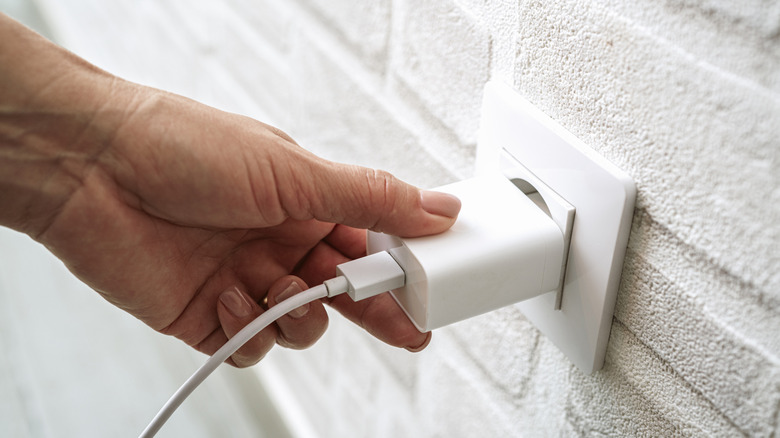
We live our lives tethered to pocket-sized computers. Whether you are navigating traffic, answering urgent emails, streaming podcasts, or keeping in touch with family, your smartphone is an indispensable tool. Because we rely on them so heavily, our batteries are constantly draining, which means chargers are plugged into walls in nearly every room of our homes, offices, and cars.
When a phone charger breaks or goes missing, most of us experience a moment of annoyance. Original equipment manufacturer replacements from Apple, Samsung, or Google can feel unreasonably expensive, often costing thirty to fifty dollars or more. Naturally, a quick search online or a trip to a discount store reveals dozens of alternatives priced at just a few dollars. It feels like a smart, budget-friendly shortcut. After all, electricity is electricity, right?
Unfortunately, the reality is far more complicated and far more dangerous. Cheap, uncertified third-party phone chargers are a multi-million-dollar global market, and they frequently bypass the rigorous safety protocols that protect your home and your health. Understanding what goes on inside those inexpensive plastic bricks reveals why saving twenty dollars today could cost you thousands tomorrow.
The Engineering Reality Behind the Price Tag
To understand why a two-dollar charger is risky, you have to look at what separates it from a quality power brick. At its core, a phone charger is a complex power conversion unit. It takes high-voltage alternating current from your wall outlet—typically 120 to 240 volts—and steps it down to a safe, steady direct current of around 5 volts for your phone.
Doing this safely requires precision engineering, high-grade components, and physical safety barriers known as isolation gaps.
Name-brand manufacturers and reputable third-party brands invest heavily in research, development, and safety certification testing from recognized laboratories such as Underwriters Laboratories or the European CE mark. They use thick copper transformers, proper insulation, surge protection circuits, and thermal fuses designed to cut power if something goes wrong.
Cheap knockoffs, on the other hand, are engineered to cut costs at every possible turn. When you dissect a counterfeit charger, engineers routinely find alarming cost-cutting measures:
-
Inadequate insulation: The physical barrier separating high-voltage components from low-voltage USB ports is often dangerously thin, sometimes only a fraction of a millimeter.
-
Missing safety components: Essential parts like optocouplers, thermistors, and proper capacitors are frequently omitted or replaced with non-functioning dummy components.
-
Substandard wiring: Thinner copper wire or even aluminum wiring coated to look like copper is common, leading to rapid overheating under normal loads.
The Immediate Threat to Your Smartphone
Your modern smartphone is not a dumb device; it features sophisticated internal power management chips designed to regulate voltage and protect the lithium-ion battery. However, these systems have limits.
Cheap chargers frequently output unstable, “dirty” electricity with high voltage ripples and electrical noise. Instead of a smooth, steady stream of 5 volts, a cheap charger might fluctuate wildly, delivering power spikes that stress your phone’s internal logic board. Over time, this constant electrical turbulence degrades the battery health much faster than normal usage would.
In more severe cases, a sudden power surge or insulation failure can send full household voltage straight through the charging cable and into your phone. When this happens, the phone’s internal components instantly fry. Users often report hearing a faint pop, smelling ozone, and watching their phone die permanently. Not only do you lose your expensive device, but you also lose all your personal photos, messages, and data if they were not backed up to the cloud.
Fire Hazards and Electrical Shocks
While destroying a phone is frustrating, the physical safety risks posed by substandard chargers are much more concerning. Electrical fires and personal injury are real, documented hazards associated with uncertified charging accessories.
Thermal Runaway and Overheating
Because cheap chargers lack proper thermal management and use undersized components, they generate excessive heat during use. When a charger is left plugged into a wall for hours—especially overnight under a pillow or on a bedside table—that heat builds up with nowhere to go.
Plastic casings on counterfeit chargers are frequently made from cheap, non-flame-retardant plastics. Once the internal temperature climbs high enough, the plastic can melt, smoke, and eventually catch fire. Because many people plug their phones in right next to their beds, these fires often start in bedrooms while occupants are asleep, giving them little time to react.
The Shock Hazard
The lack of proper electrical isolation between the high-voltage AC side and the low-voltage DC side creates a severe electrocution risk. If the cheap insulation inside the brick breaks down or fails, the metal pins of the USB port can become live with household current. Touching the metal end of the cable or plugging it into your phone while standing on a grounded surface can deliver a dangerous, and occasionally fatal, electrical shock.
How to Spot Dangerous Chargers
Counterfeiters have become remarkably skilled at copying the external appearance of original accessories. They replicate logos, fonts, packaging, and even serial numbers with startling accuracy. Simply looking at a brand name or a familiar logo is no longer enough to guarantee safety.
To protect yourself, keep a few critical guidelines in mind when shopping for power accessories:
-
Look for recognized certification marks: Check for official safety logos such as UL, ETL, or CSA. Keep in mind that some fraudulent manufacturers print fake certification logos on their packaging, so buying from authorized retailers is equally important.
-
Be suspicious of extreme discounts: If an Apple or Samsung charging brick normally sells for thirty dollars and you find a brand-new one online for three dollars, it is almost certainly counterfeit.
-
Check the weight: Quality electronics have transformers, heat sinks, and shielding inside. Cheap chargers often feel suspiciously lightweight and hollow because those components were left out.
-
Monitor temperature: It is normal for a charger to feel slightly warm during fast charging, but if a charger becomes painfully hot to the touch or emits a burning smell, stop using it immediately.
Investing in Peace of Mind
It is easy to view phone accessories as disposable commodities, but your charger is effectively a miniature power substation plugged directly into your home’s electrical grid. Skimping on safety to save a few dollars introduces entirely unnecessary risks to your home, your family, and your devices.
By purchasing chargers from reputable brands, checking for safety certifications, and avoiding suspiciously cheap online deals, you can keep your devices powered up safely and securely.


