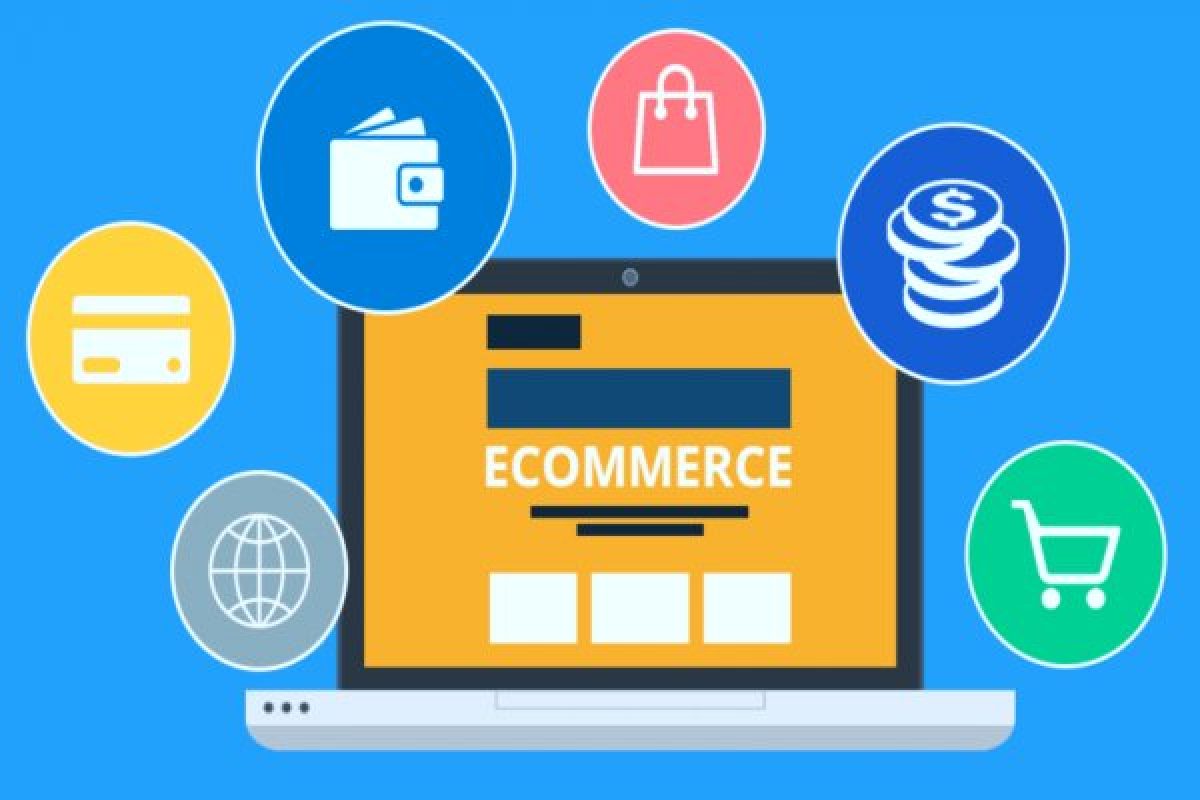
Ecommerce has evolved from being a novelty to becoming the backbone of modern commerce. What began as simple online transactions has now blossomed into a vast ecosystem that shapes consumer behavior, disrupts global markets, and inspires innovation across industries. In a world driven by digital interactions, ecommerce is no longer optional—it is the currency of growth, trust, and convenience in the digital age.
The Evolution of Ecommerce
The earliest forms of ecommerce were basic online catalogs that allowed consumers to purchase books or electronic items with a few clicks. What was once considered a futuristic concept now feels integral to everyday life. From mobile applications to voice-assisted shopping and even social media-integrated buying, ecommerce has crossed countless milestones in less than three decades. Today, it is more than just digital stores; it encompasses an interconnected system that supports digital payments, logistics, customer personalization, and seamless post-purchase experiences.
This rapid evolution has transformed not only how businesses operate but also how consumers perceive value. Speed, personalization, and trust have become non-negotiable benchmarks for any ecommerce business aiming to thrive.
Why Ecommerce Matters in Today’s Economy
The significance of ecommerce extends far beyond convenience—it is an engine of economic growth and globalization.
-
Global Reach: Businesses of all scales can now tap into worldwide audiences, extending their reach far beyond the borders of local markets.
-
24/7 Availability: Unlike traditional brick-and-mortar stores, ecommerce never sleeps. Customers can browse, compare, and purchase at any time of day.
-
Data-Driven Insights: With every transaction, ecommerce platforms generate valuable consumer data, helping businesses refine their strategies and better understand preferences.
-
Inclusive Opportunities: Small and medium enterprises (SMEs) can compete alongside industry giants by leveraging online platforms that equalize the playing field.
In essence, ecommerce democratizes business. It allows budding entrepreneurs and established corporations alike to coexist in an ever-expanding digital marketplace.
Key Trends Redefining Ecommerce
Ecommerce is not static; it continually adapts to meet shifting consumer expectations and technological advancements. The following trends are shaping its present and future:
-
Mobile Commerce: With smartphones becoming extensions of daily life, mobile shopping is no longer supplementary but central to ecommerce strategies.
-
Personalized Experiences: Artificial intelligence and machine learning allow ecommerce stores to offer smarter product recommendations tailored to individual tastes.
-
Voice and Conversational Commerce: Smart assistants like Alexa and Google Home are redefining how consumers interact with online stores.
-
Sustainability in Ecommerce: Growing consumer awareness about environmental impact is pushing brands to adopt eco-friendly packaging, ethical sourcing, and transparent supply chains.
-
Social Commerce: Platforms like Instagram, TikTok, and Facebook are merging content and commerce, enabling users to purchase directly from social feeds.
These trends highlight the fluid nature of ecommerce—where innovation is constant and consumer expectations remain ever-rising.
The Challenges Behind the Convenience
While ecommerce offers unmatched convenience and growth, it also introduces unique challenges that businesses must navigate with care:
-
Digital Trust and Security: Cybersecurity threats remain a pressing concern, and businesses need to safeguard customer data to maintain loyalty.
-
Logistics and Supply Chain: Delivering products swiftly while keeping costs manageable requires well-optimized supply chains.
-
Competition: The low entry barrier to ecommerce results in high competition, making it critical to craft differentiated brand experiences.
-
Customer Engagement: Unlike physical stores, ecommerce lacks face-to-face interactions, requiring businesses to creatively build relationships through digital channels.
Every challenge in ecommerce is also an opportunity—an invitation to innovate and find solutions that enhance both customer experience and business efficiency.
The Human Element in a Digital Marketplace
It is easy to assume that ecommerce is purely technical, but at its core, it is still about human connection. Each purchase reflects not only consumer desire but also trust in the business delivering the product. Successful ecommerce ventures understand the need to humanize digital transactions. Personalized recommendations, responsive customer service, transparent policies, and even simple post-purchase appreciations all strengthen the emotional connection between brands and buyers.
This fusion of technology with humanity is what builds long-term loyalty in a market teeming with choices.
Future Prospects of Ecommerce
Looking ahead, ecommerce is expected to grow in new and surprising ways. Artificial intelligence will enable deeper levels of personalization, predictive shopping may soon become a norm, and immersive technologies like augmented reality will make online shopping more tangible. Global markets will continue to merge, blurring the distinction between local and international commerce.
Moreover, the focus on sustainability and ethical responsibility will only intensify. Forward-thinking ecommerce businesses will integrate circular economy practices, offering options like resale, recycling, and minimal packaging to environmentally conscious buyers.
The path forward is clear: ecommerce will continue to act as a bridge between technology and consumer intent, shaping how businesses and individuals interact in the digital economy.
Conclusion
Ecommerce is more than an industry—it is a cultural shift, a revolution that changes how the world connects with products and services. It empowers consumers with choice, businesses with opportunity, and societies with new avenues of growth. As technology and expectations evolve, ecommerce will continue to adapt, redefine, and inspire.
For businesses, embracing ecommerce is no longer about keeping up; it is about leading in a world fueled by digital convenience, human connection, and endless innovation.